It’s 2:17 AM in a hospital somewhere in London or New York.
You’ve just finished another shift, but your mind refuses to shut down. You replay conversations with patients, second-guess decisions, and wonder if you missed something important. Your body is exhausted, but your mind is still on call.
You tell yourself it’s normal but c’mon, is it? Medicine is demanding of course and everyone else seems to be handling it, so you push through. Another shift, another patient, another day pretending you’re fine.
But deep down, something feels different.
This isn’t just tiredness anymore.

Why So Many Doctors Don’t Recognize Burnout Early
Most physicians don’t search for physician burnout symptoms immediately.
Instead, they begin to search questions like:
- “Why am I always tired after work?”
- “What are the early signs of physician burnout?”
- “How do I know if I am experiencing physician burnout symptoms?”
Because burnout doesn’t show up as a breakdown.
It shows up quietly.
And that’s why the early signs of physician burnout are often ignored.
Many physicians also find themselves wondering why they are always tired as a doctor, without realizing it may be one of the earliest warning signs.
How To Know If You Are Burned Out As A Doctor

Burnout in doctors is not always dramatic. It is subtle, progressive, and often normalized.
Here are the signs many physicians overlook:
You Feel Constantly Drained, Even After Rest
You sleep, but you don’t feel restored.
Even after days off, the exhaustion lingers.
This is one of the earliest physician burnout symptoms, your body is resting, but your mind never truly switches off.
You Start Feeling Emotionally Numb
You still see patients. You still do your job.
But something has changed.
- Empathy feels forced
- Conversations feel mechanical
- Patient stories don’t affect you like they used to
This isn’t lack of care.
It’s emotional protection.
A common but overlooked sign of burnout in doctors.
If you’ve ever asked yourself, “why do I feel numb as a doctor?”, this may be more than just stress.
You Dread Work More Than You Admit
It starts subtly.
- Delayed mornings
- Reluctance before shifts
- Quiet resistance
You don’t say it out loud, but you feel it:
“I don’t want to do this today.”
You Feel Detached From Your Purpose
You worked years to get here.
But now you find yourself asking:
- Why does this feel empty?
- Is this really what I signed up for?
This is where burnout shifts from physical exhaustion to identity conflict.
You Carry Work Home Mentally
Even when you leave the hospital or clinic, work doesn’t leave you.
- Replaying patient cases
- Worrying about outcomes
- Thinking about what’s next
This constant mental load is one of the most ignored physician burnout symptoms.
Why Burnout in Doctors Feels Different
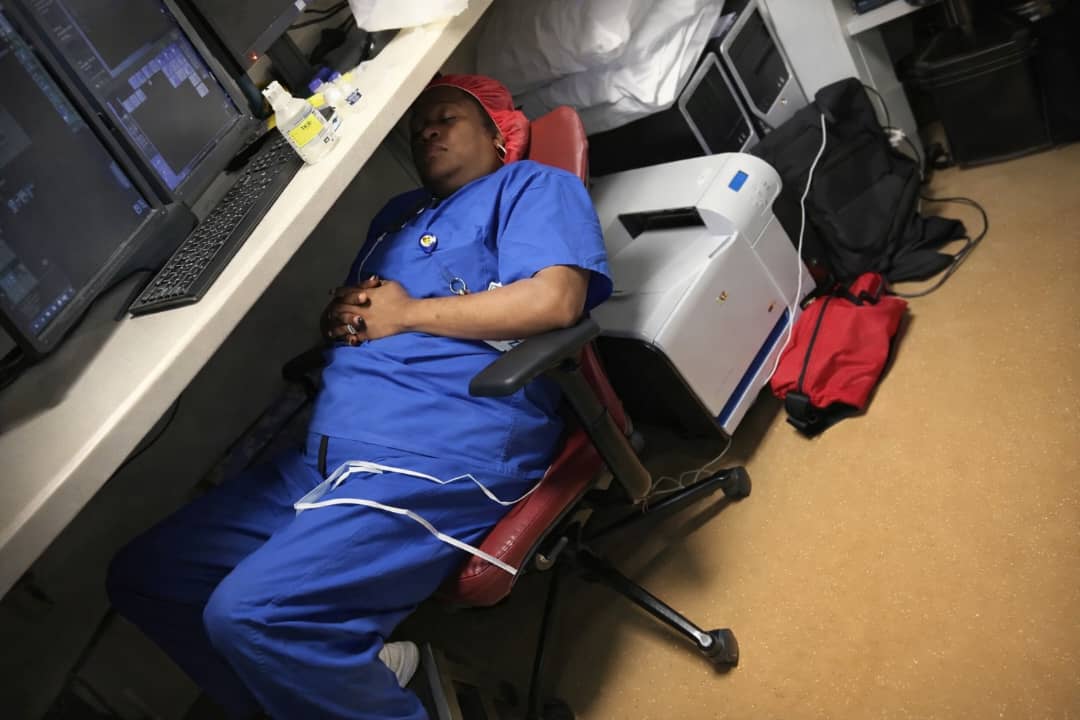
Burnout in other professions often leads to disengagement.
In medicine, it leads to:
- Silent suffering
- Internal pressure
- Emotional suppression
Because as a doctor, you are trained to:
- Push through discomfort
- Prioritize patients over yourself
- Stay composed under pressure
Which makes recognizing burnout in doctors even harder.
The Hidden Cost of Ignoring These Signs
When early burnout is ignored, it doesn’t stay the same.
It grows.
It begins to affect:
- Decision-making
- Patient interactions
- Personal relationships
- Overall wellbeing
And over time, what started as “just tiredness” becomes something much deeper.
These are often overlooked signs of burnout in healthcare workers, especially in high-pressure environments like the UK and USA.
What Most Doctors Get Wrong About Burnout
Many physicians believe burnout means:
- You are weak
- You chose the wrong career
- You can’t handle pressure
None of this is true.
Burnout is not a failure.
It is a signal.
A signal that something needs attention.
What You Can Do Before It Gets Worse
If you recognize yourself in any of these signs, the goal is not to panic.
The goal is awareness.
Start with:
- Acknowledging what you feel
- Creating space to pause
- Understanding your limits
Burnout does not resolve by pushing harder.
It improves when you start paying attention to what your mind and body are telling you.
You’re Not Alone in This
Many doctors across the UK, USA and globally are experiencing the same thing.
But most are not talking about it.
They are:
- Functioning
- Working
- Showing up.
And quietly struggling.
If this resonates, you can learn more about how emotional wellness support works here
Start With Awareness
If something in this article resonated with you, don’t ignore it.
You don’t need to have all the answers right now.
But you do need to start paying attention.
Understanding what you are feeling is the first step toward regaining clarity, balance, and control.
You can also take your first step with a capacity assessment tailored for physicians
Take the First Step

If you want to better understand your current mental and emotional state, you can start with a simple reflection process designed specifically for physicians.
Take the Physician Capacity Check
Frequently Asked Questions
What are the early signs of physician burnout?
Early signs of physician burnout include:
- Constant fatigue
- Emotional numbness
- Detachment from work
- Loss of motivation.
Is burnout common among doctors in the UK and USA?
Yes. Burnout in doctors is increasingly common due to workload, emotional pressure, and long working hours.
Can physician burnout be reversed?
Yes, especially when identified early. Awareness and the right support system play a key role in recovery.
How do I know if I am experiencing burnout or just stress?
Stress is temporary. Burnout is persistent and often includes emotional exhaustion, detachment, and reduced sense of purpose.
How do I know if I have burnout as a physician?
Burnout often shows up as:
- Persistent fatigue
- Emotional detachment
- Loss of motivation.
If these symptoms continue over time, it may indicate deeper burnout rather than temporary stress.